ICEVR - XR4ED, EU-funded project

ICEVR

XR4ED, EU-funded project

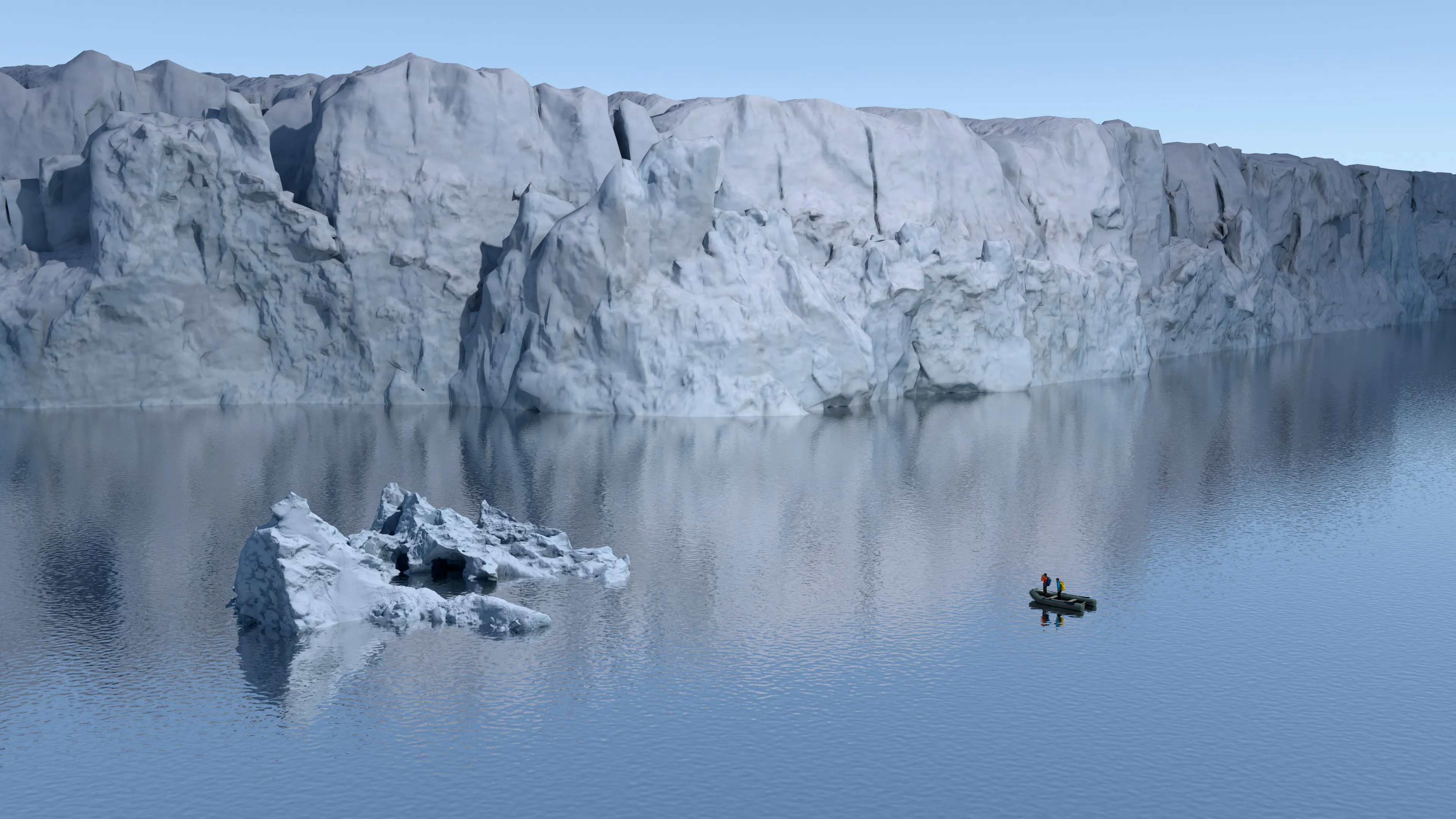
Through the XR4ED initiative, we bridged three major EU-funded Arctic research networks with classrooms across Europe. ICEVR - Immersive Climate Change Education Through Virtual Reality - is an interactive classroom experience that translates live research into student exploration. Students begin in a research base and step into chapters exploring how glacier retreat, sea-ice loss and warming oceans are transforming Arctic ecosystems.
ICEVR highlight

Built for classroom VR, ICEVR blends real 3D-captured environments with guided exploration, turning complex climate data and science into a clear, chapter-based story.

The Science

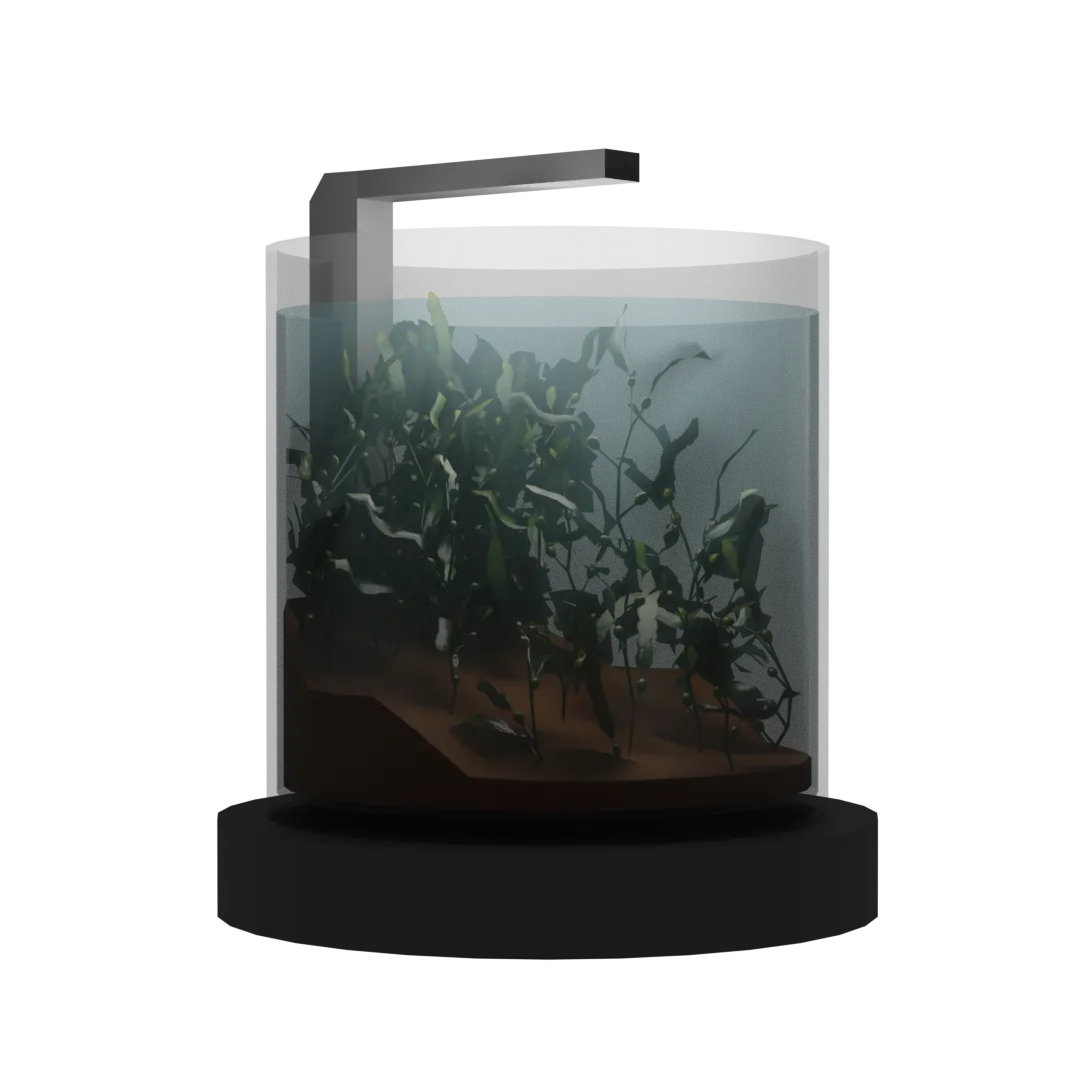
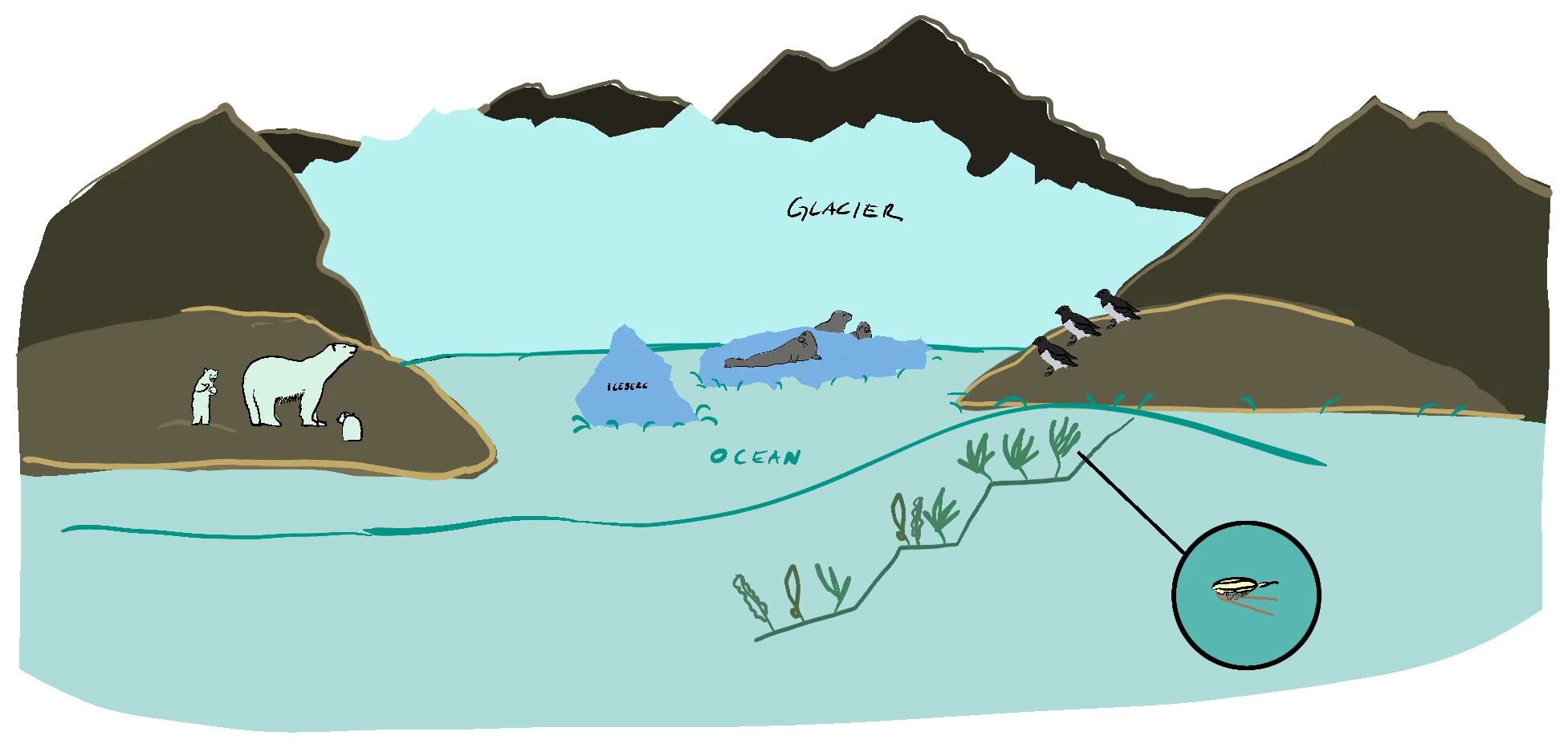
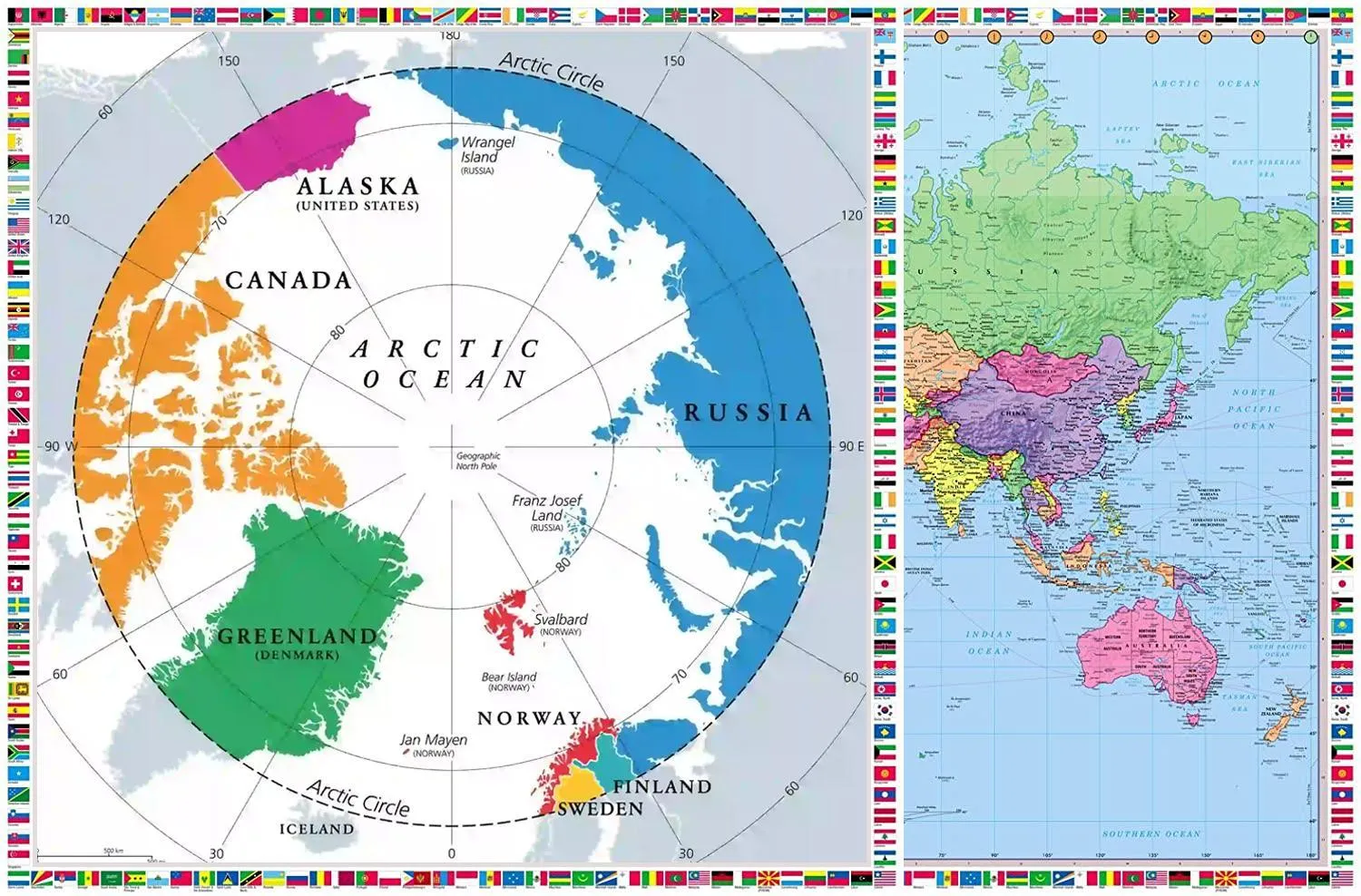
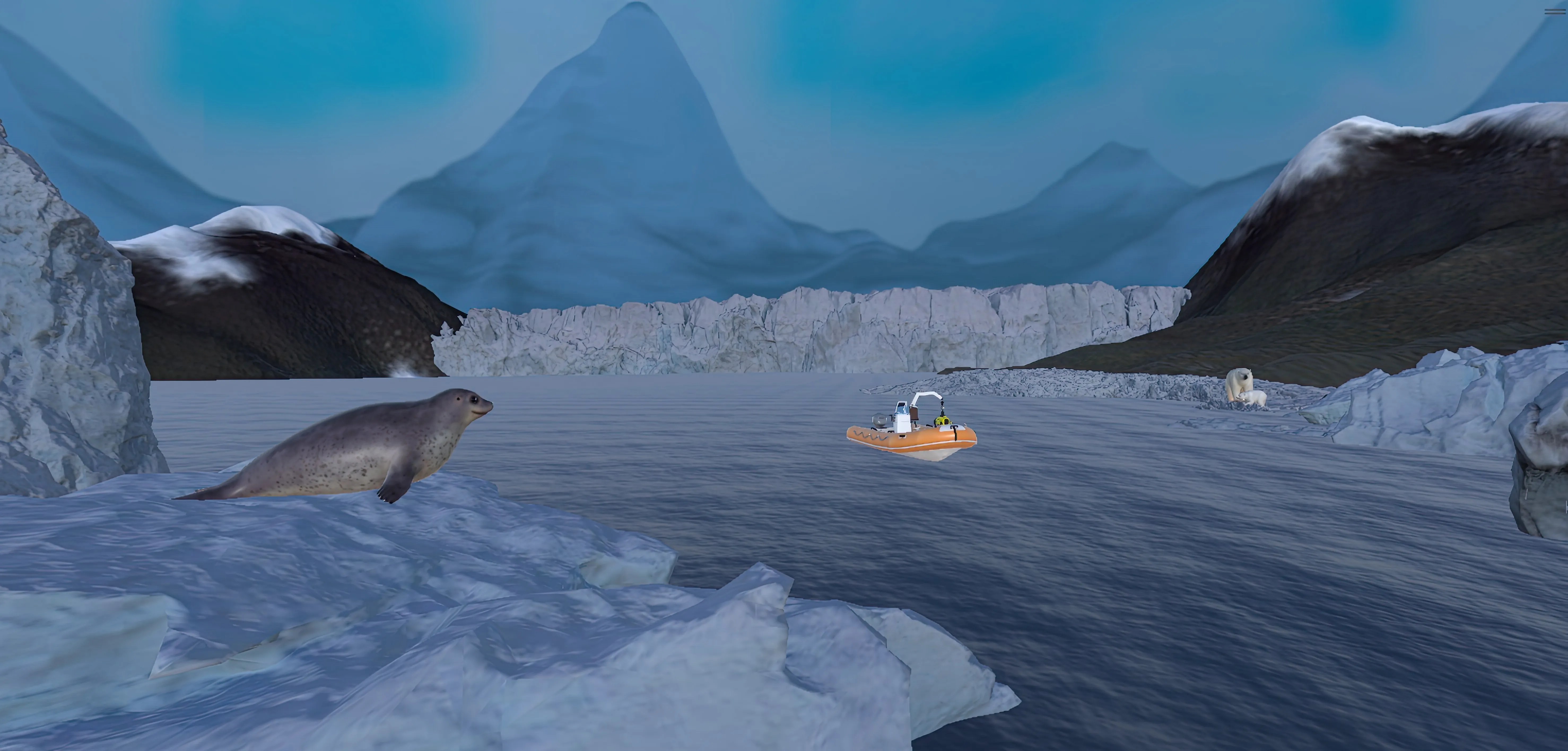
ICEVR translates live Arctic research into classroom stories. We partnered with three major EU research networks: CHARTER (mapping climate change in the Arctic), ECOTIP (studying ecosystem tipping points in warming regions), and FACE-IT (documenting rapid Arctic change). Their datasets, field observations, and findings became interactive chapters - meaning every visualization in ICEVR connects to real ongoing research by scientists working in the Arctic right now. In the 'Fjord in Flux' chapter, students see how glacier retreat and sea-ice loss alter kelp forests and wildlife, and how warmer-water species replace Arctic specialists - linking local change to global consequences. References to the underlying studies are included in-app, keeping the narrative accessible while staying faithful to the science.

User Experience

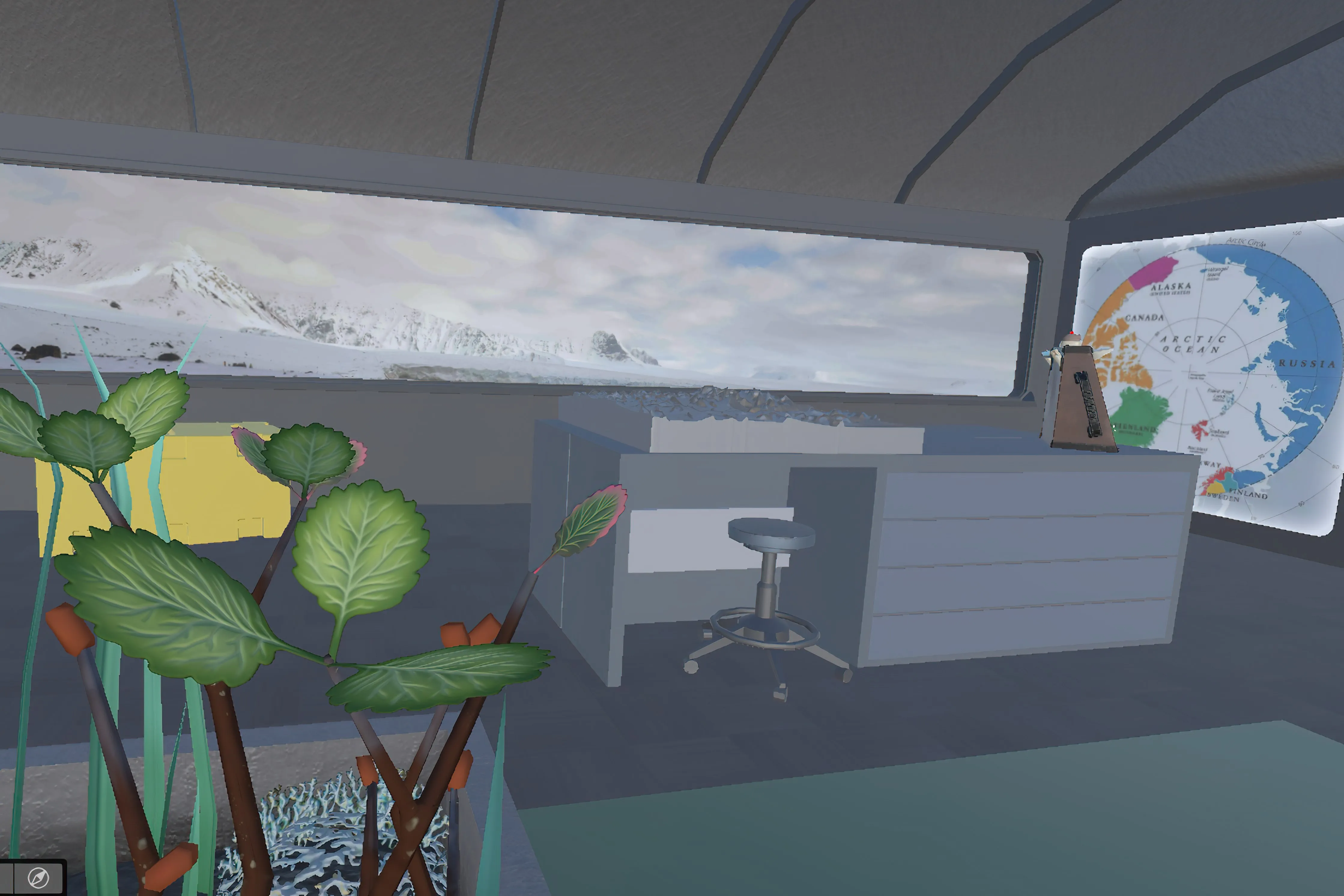
Built for VR in the classroom, ICEVR uses controller-free hand tracking and gaze-based navigation to lower the barrier for first-time VR users. The journey is chapter-based: students start in the Arctic research base hub and launch focused exploration chapters from there.
Hand tracking and gaze-based interaction in the ICEVR classroom experience

Pilots & Adoption

Early sessions with educators highlighted how the chapter-based flow and hand-tracking make ICEVR easy to run with first-time VR users. Teachers appreciated the clear learning goals, simple onboarding, and narrative cues that keep students focused. Classroom pilots are now rolling out across European schools.

Impact

ICEVR is entering classroom pilots across European schools, bringing Arctic climate science directly into lessons across Geography, Biology, and Social Studies curricula.
"ICEVR is perceived as a highly engaging and promising VR tool for teaching climate-related issues, with clear potential for use across subjects like Geography, Biology, and Social Studies."

Mogens Laurisen

Edtech Flen

Credits

  • Martin Edström - Director
  • Fredrik Edström - Producer
  • Gunnlaugur Egilsson - Unity Developer
  • Antonia Evans - 3D Artist