Stonehenge in 3D - National Geographic

Stonehenge in 3D

National Geographic

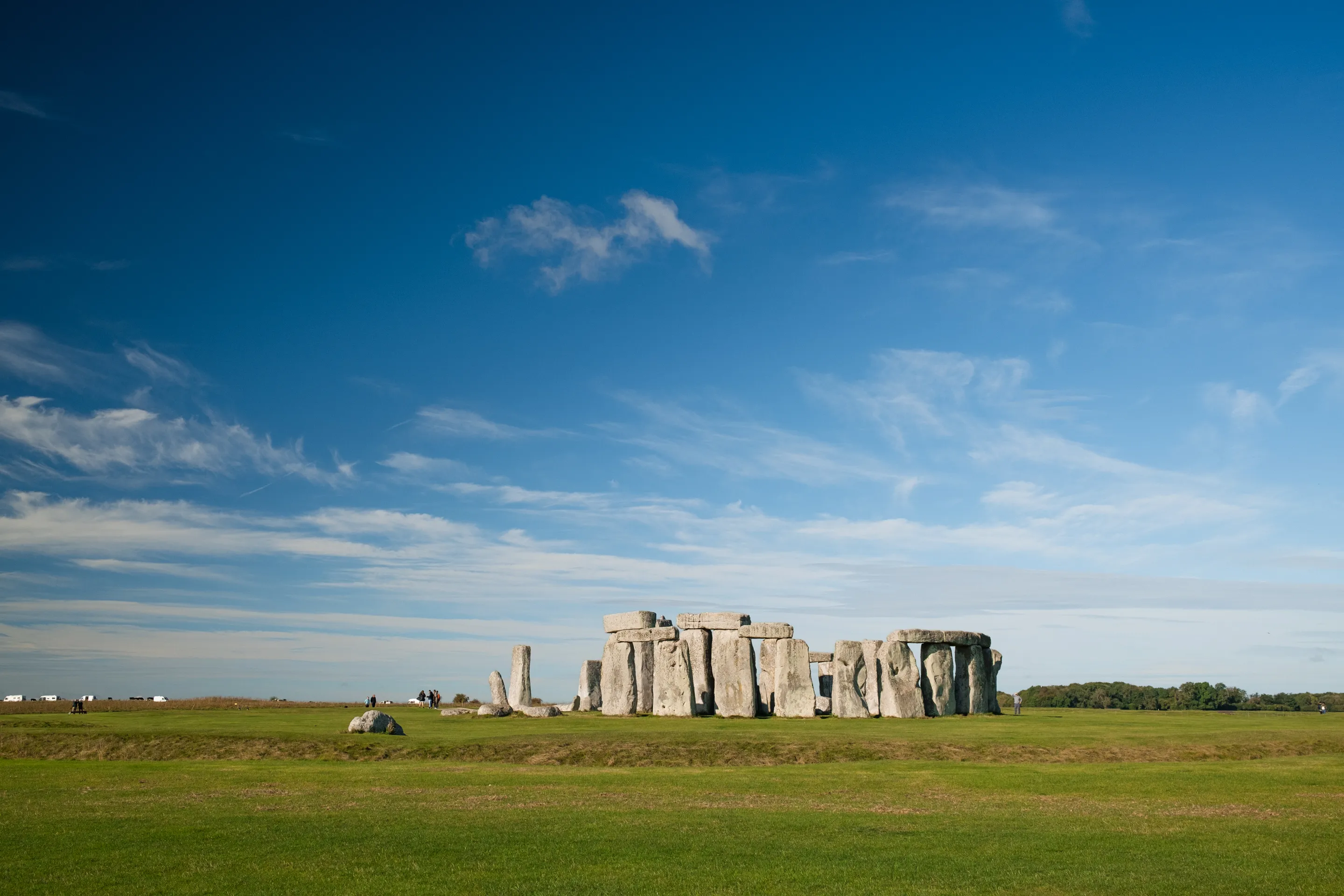
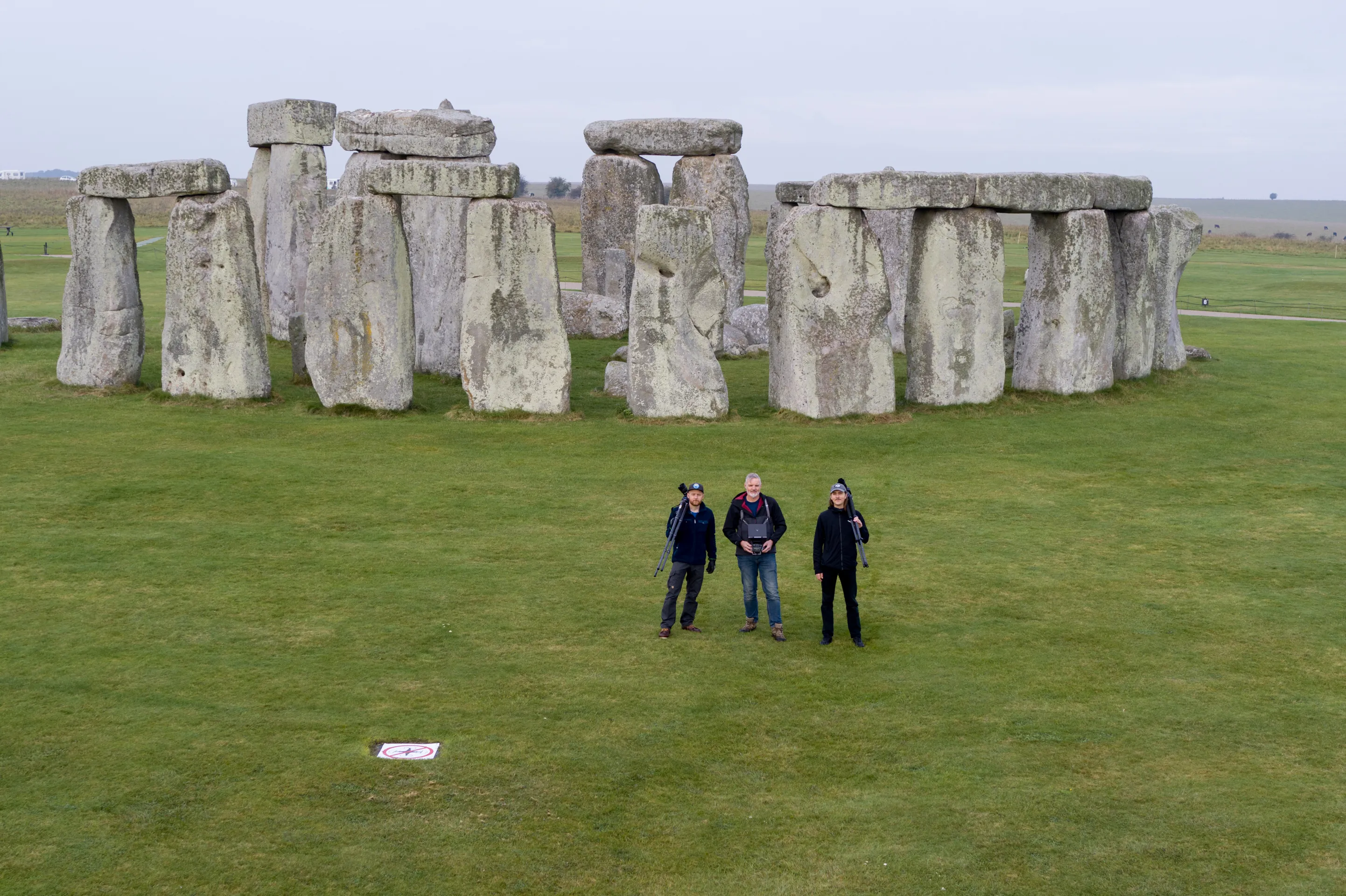
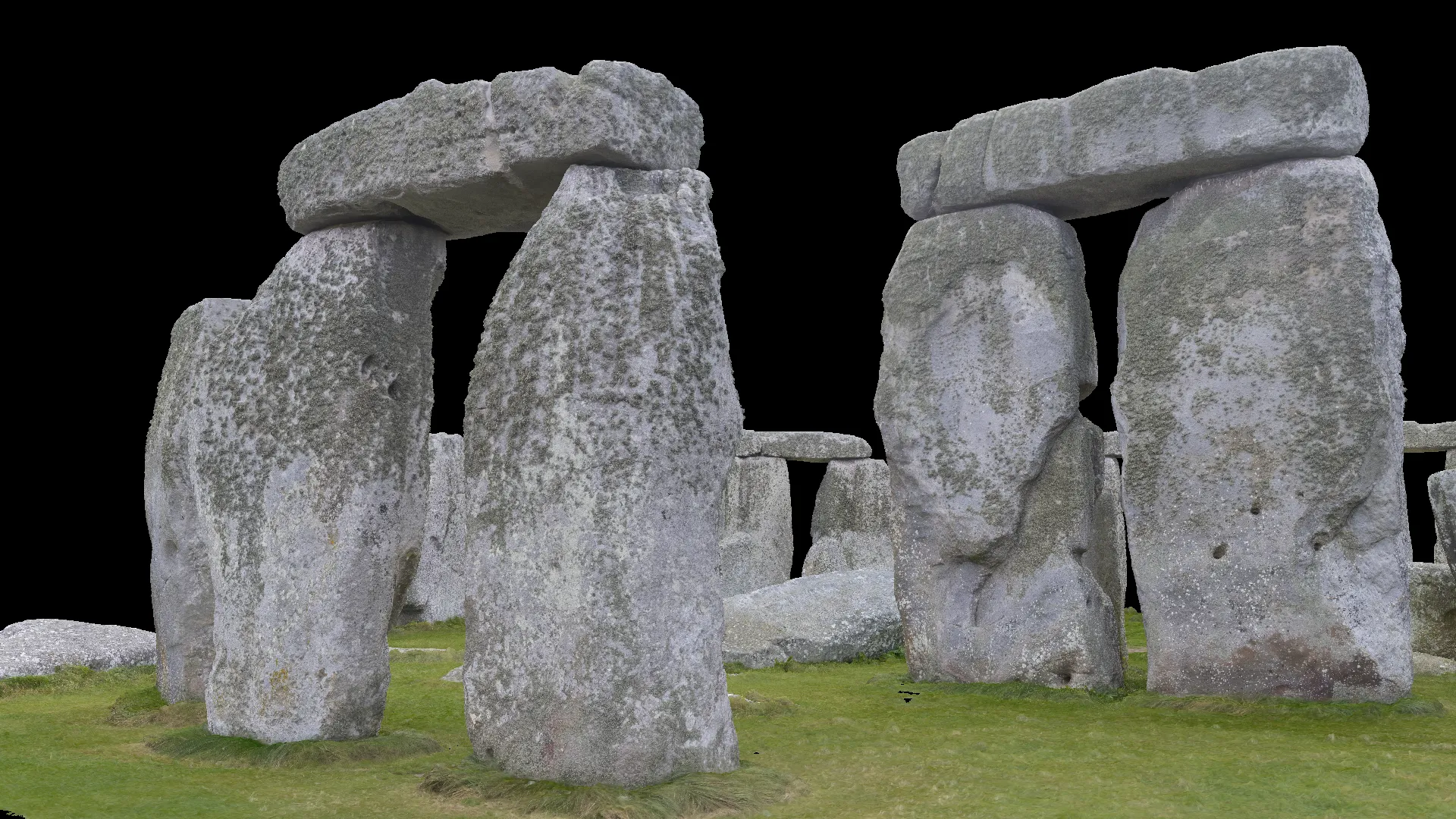
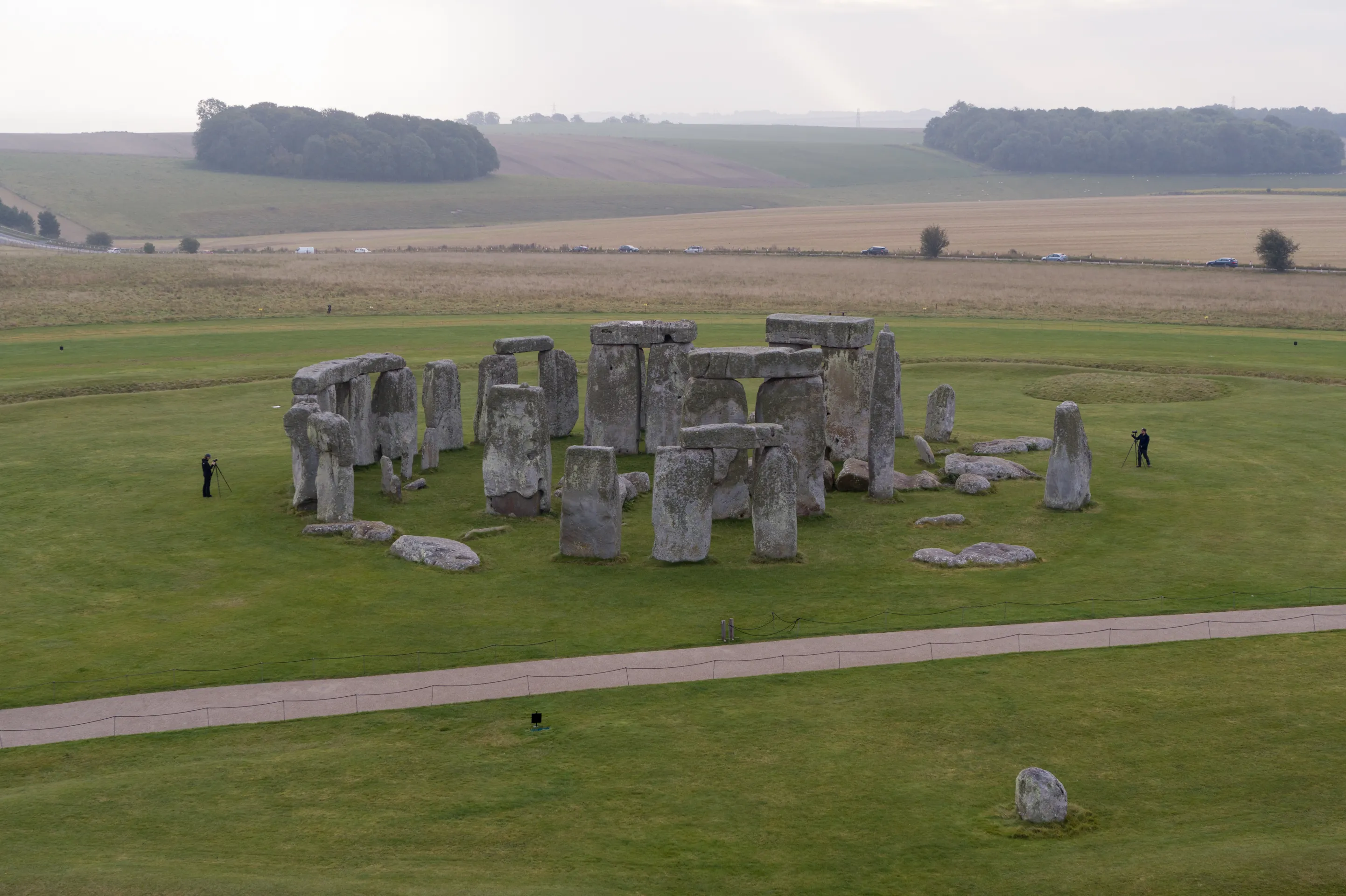
Stonehenge is one of humanity's most enduring mysteries - a monument that has captivated and baffled us for over four thousand years. Theories abound about its purpose, its builders, its meaning. What's certain is that standing at Stonehenge you feel something - a sense of scale, of ancient intention, of questions unanswered. For their comprehensive story on everything we know about Stonehenge, National Geographic commissioned Martin Edström and IVAR Studios to create a photogrammetric 3D model. With Martin as lead photographer, we captured tens of thousands of images to bring that feeling to a global audience, capturing both the physical precision of the site and the sense of wonder it inspires.
Stonehenge in 3D highlight

Stonehenge is 120 stones, each with its own story. We captured every one - from every angle - to create both an archival record and something millions could hold in their hands.

The Challenge
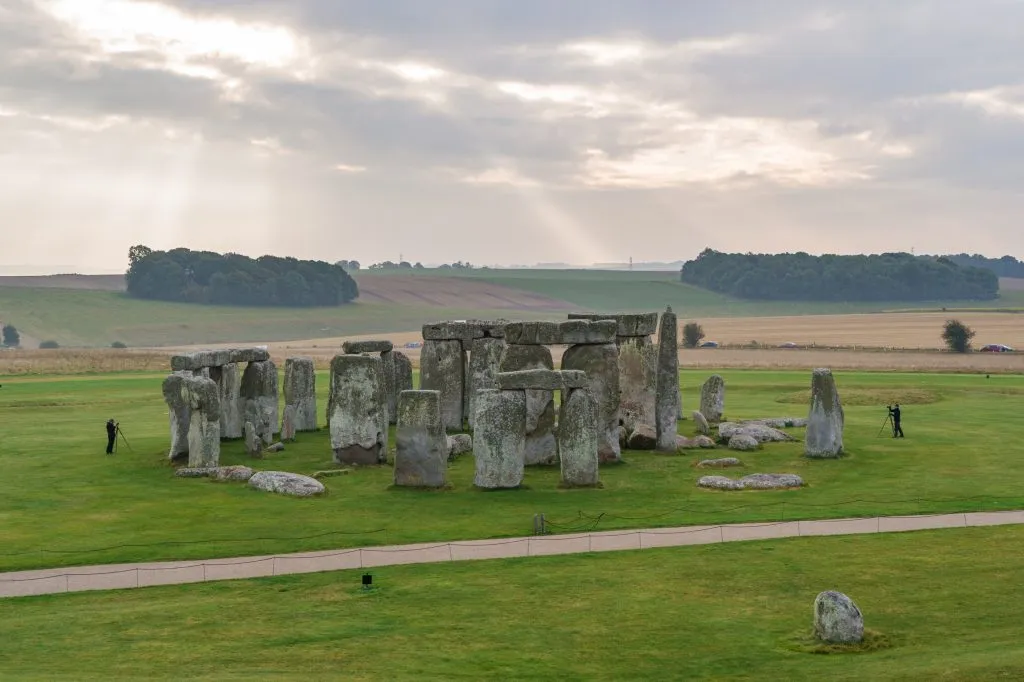
Stonehenge isn't just a few stones - it's 120+ distinct pieces, each weathered by millennia, arranged with astronomical precision. The challenge was to capture that complexity and scale in a way that honored the site's significance while making it accessible to anyone, anywhere. High enough resolution to be an archival record. Simple enough to run on a smartphone.
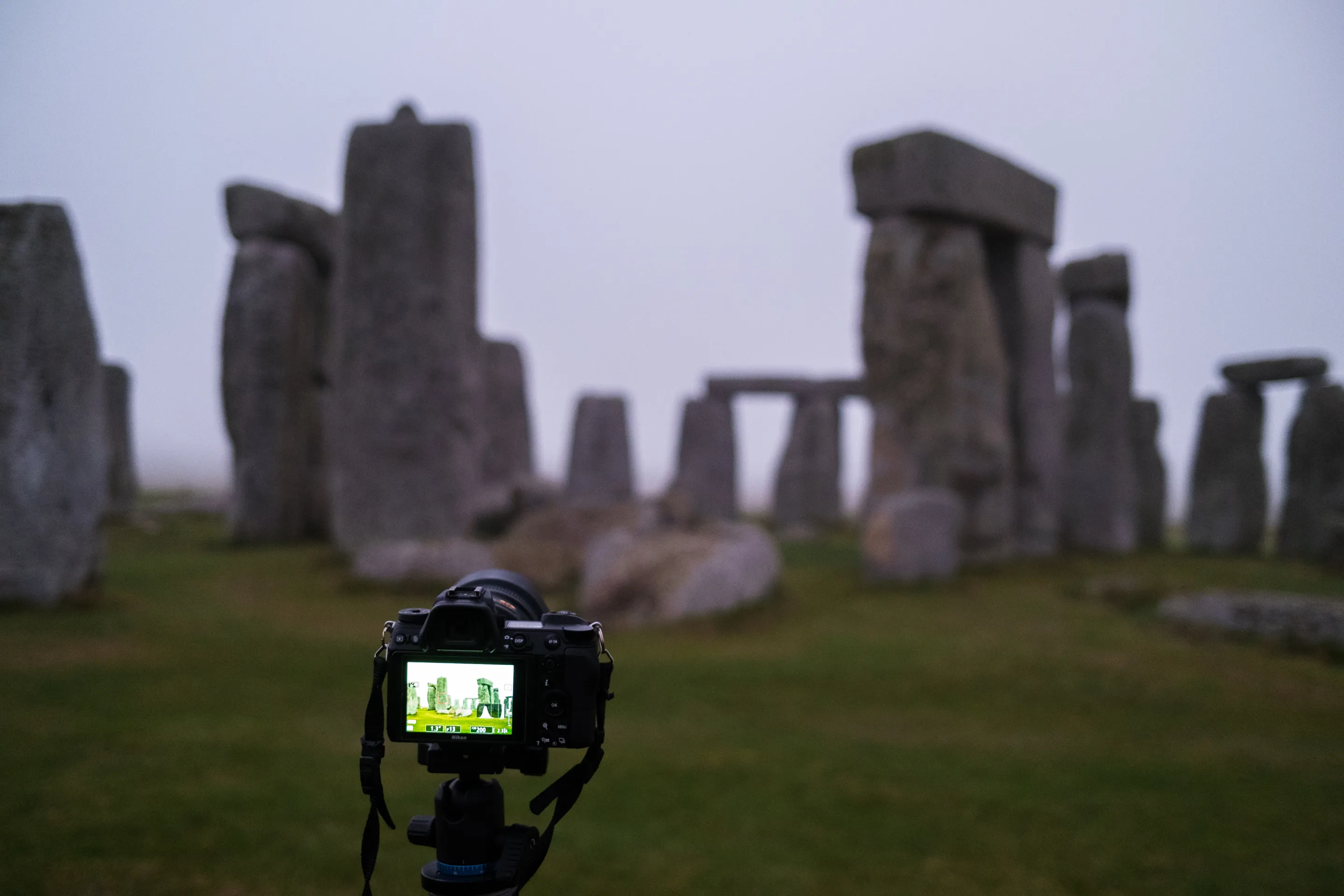
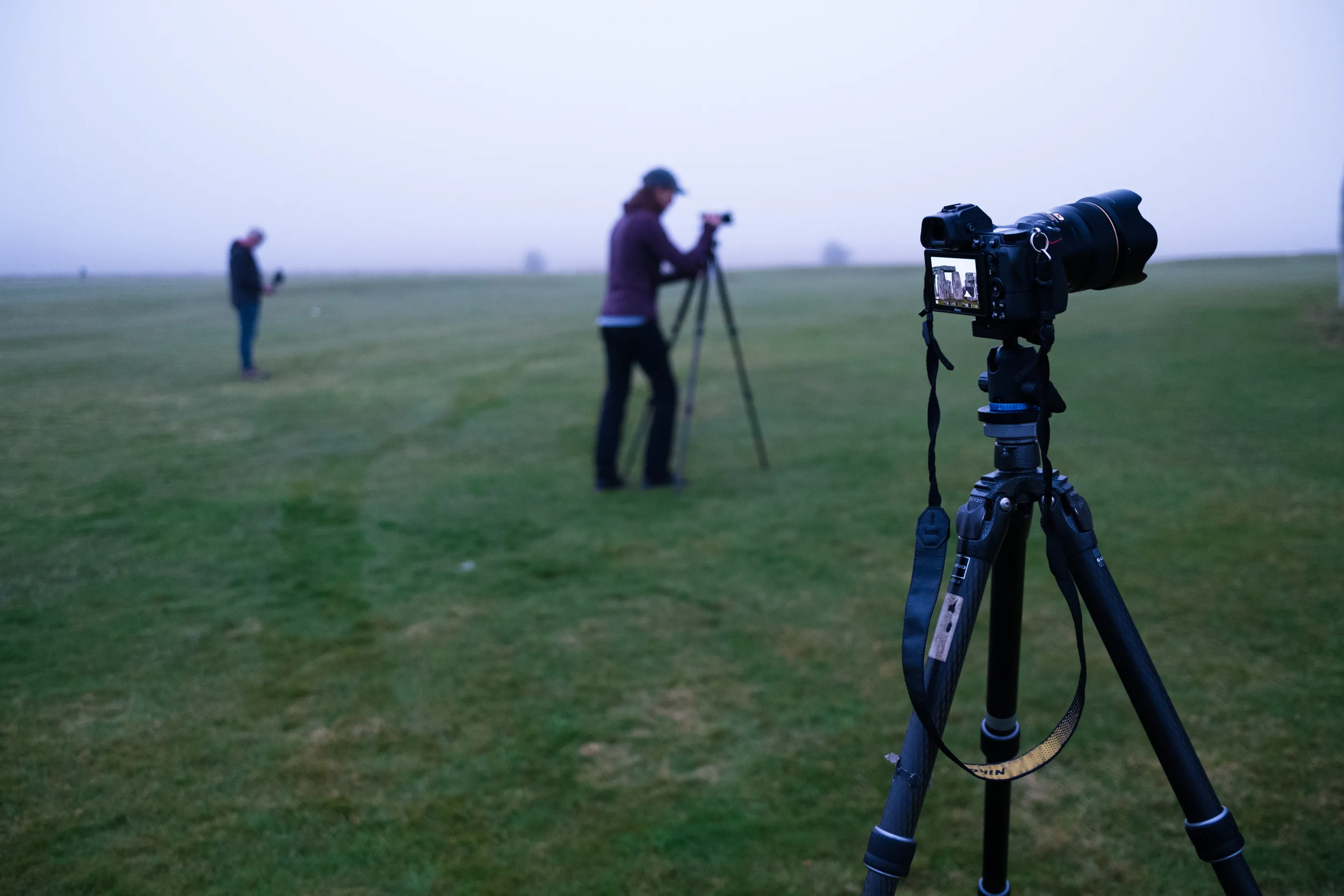
Photographing Stonehenge from every angle for the photogrammetry dataset

Mapping the Monument

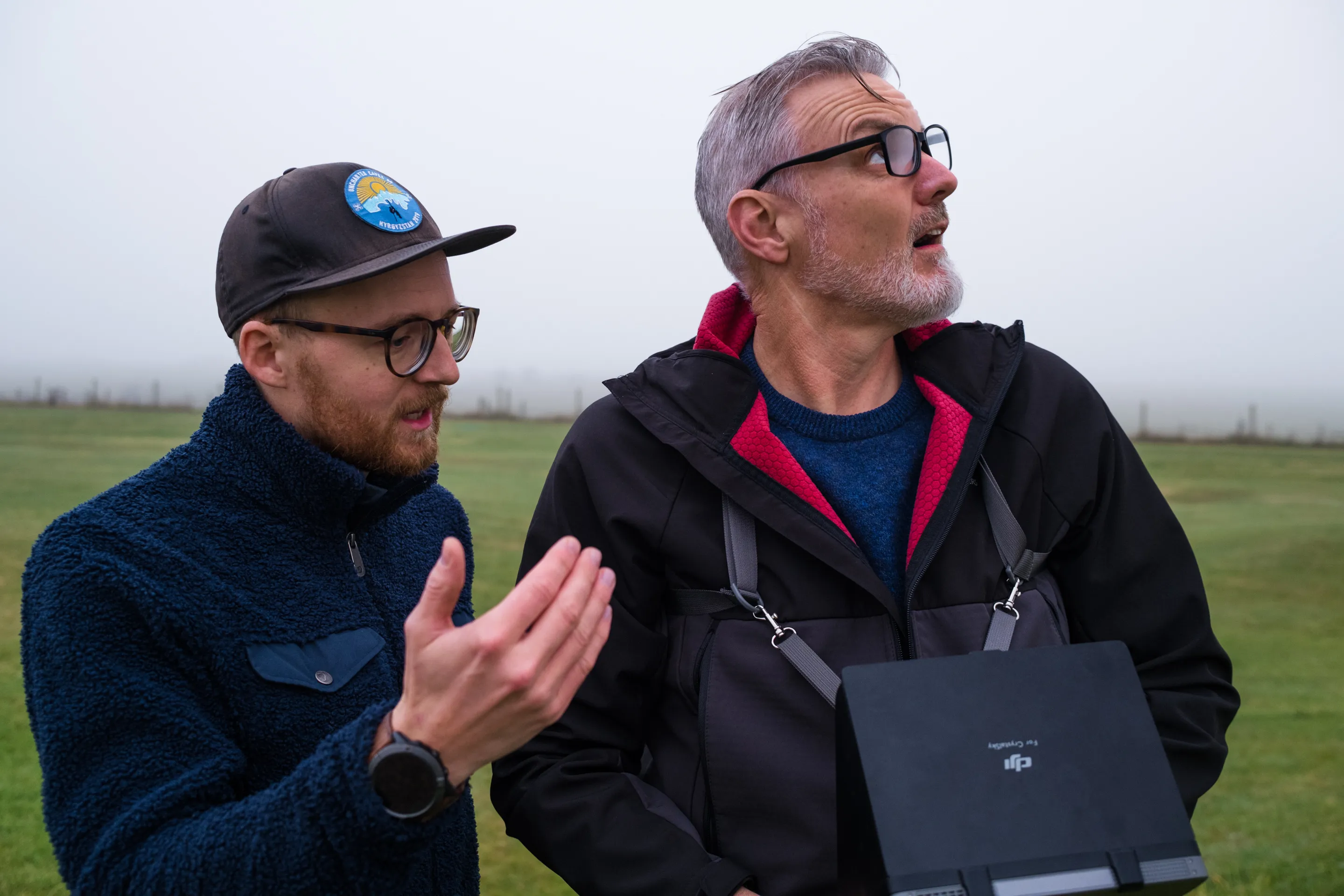
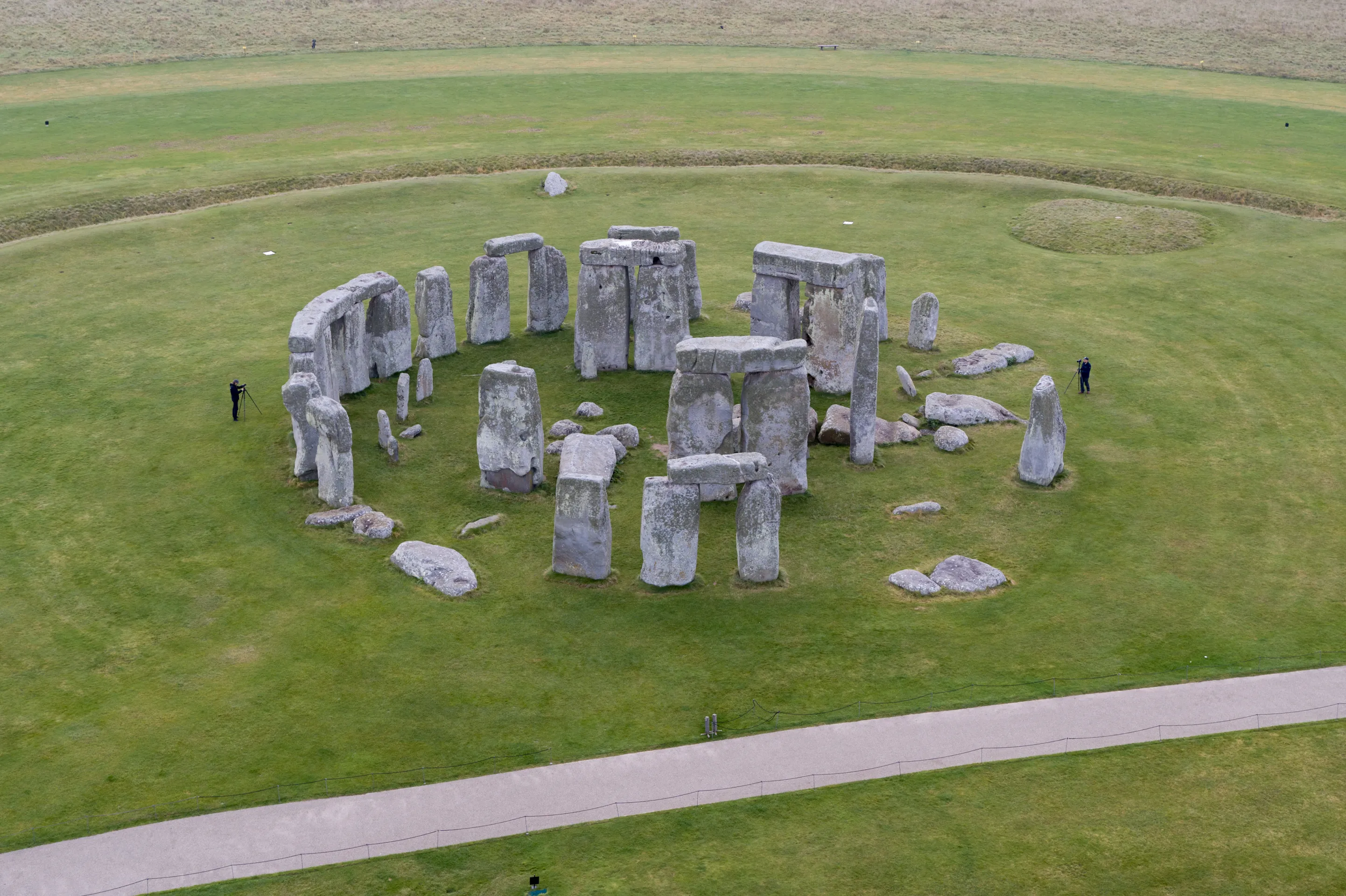
Before traveling to Stonehenge, we created a fully choreographed photography plan: every stone from every angle, using both high-resolution mirrorless cameras on the ground and drones to capture the top of the circle. The goal was completeness - nothing left out, nothing approximated. On location, we spent days moving systematically around the site, photographing under different light conditions to capture the weathered texture and scale of each stone.

From Data to Experience

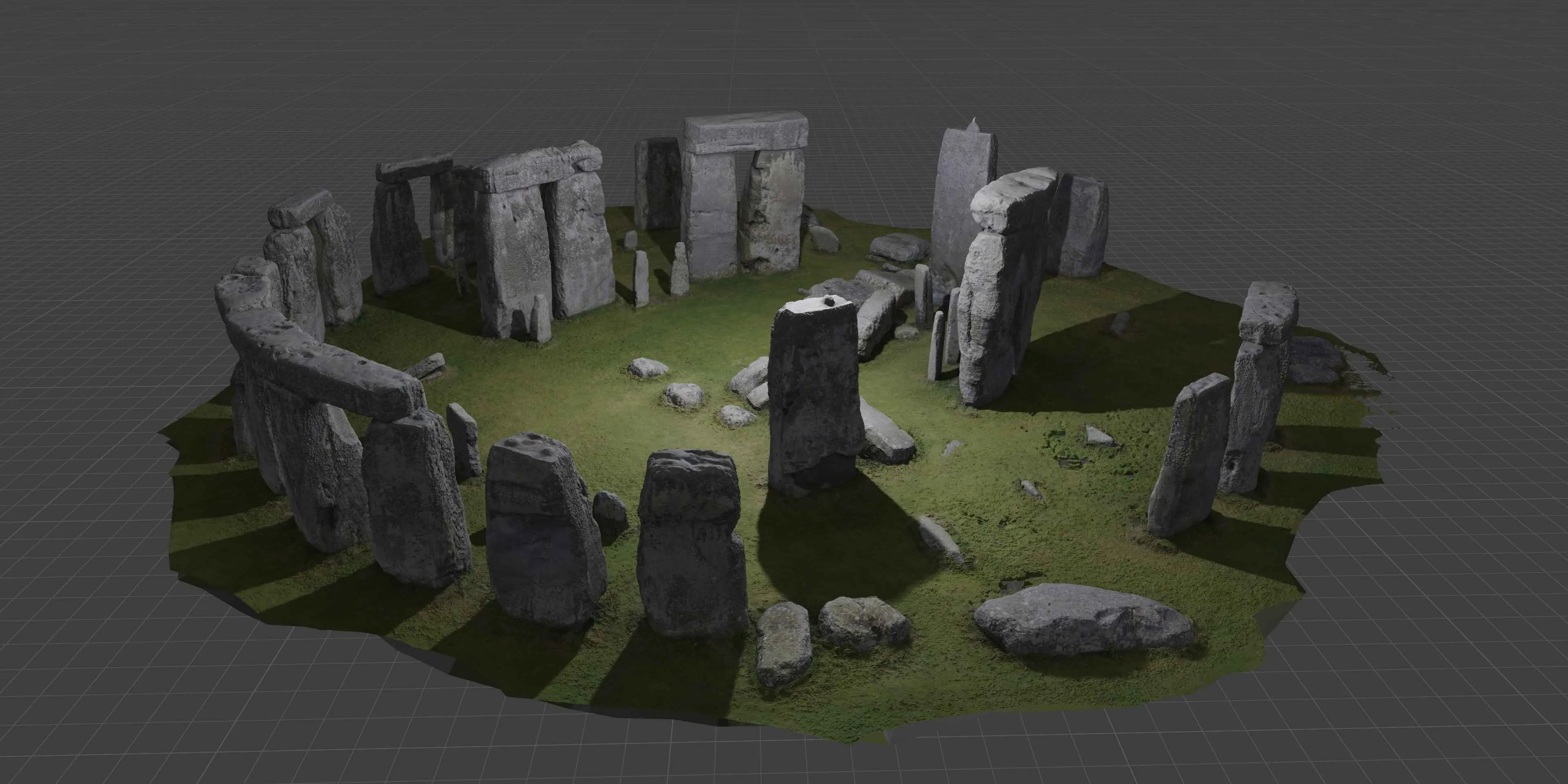
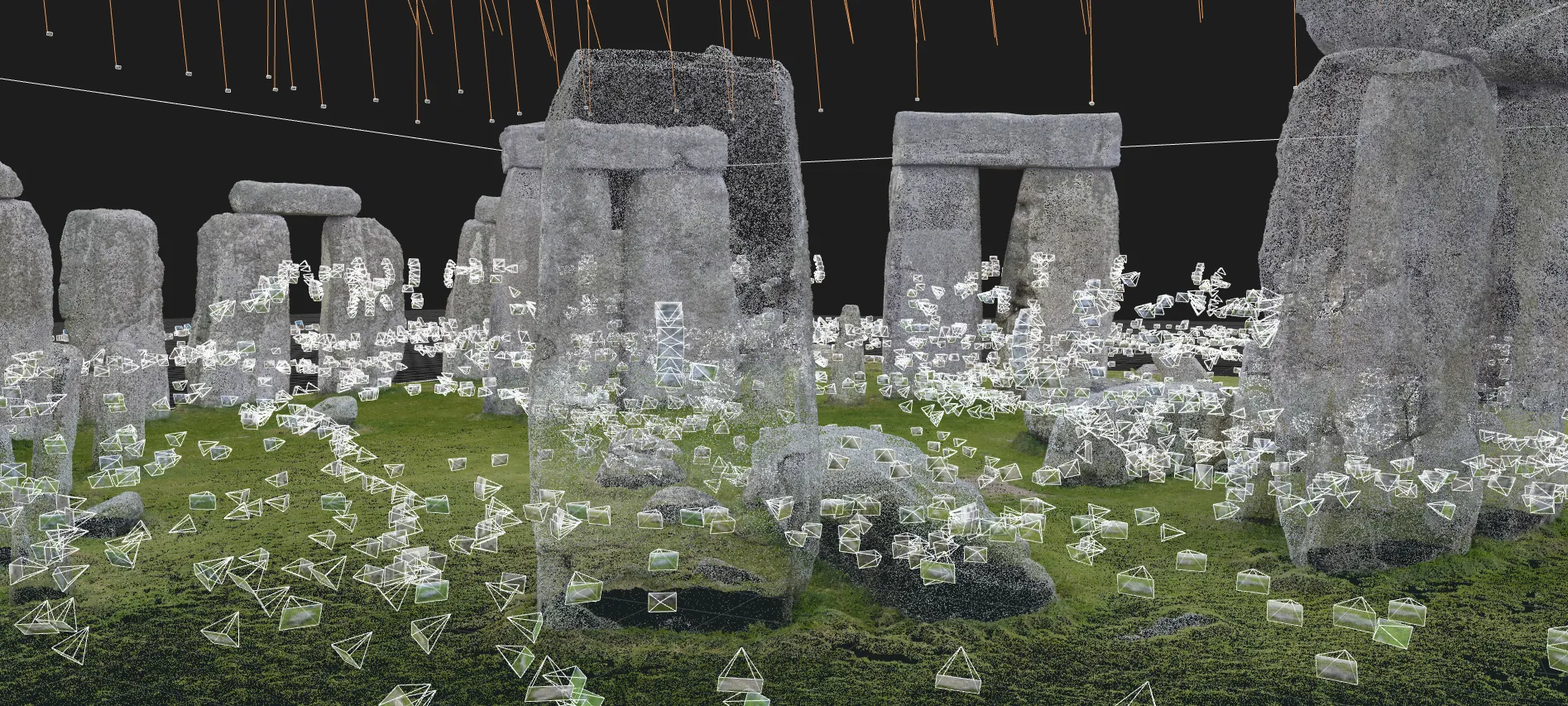
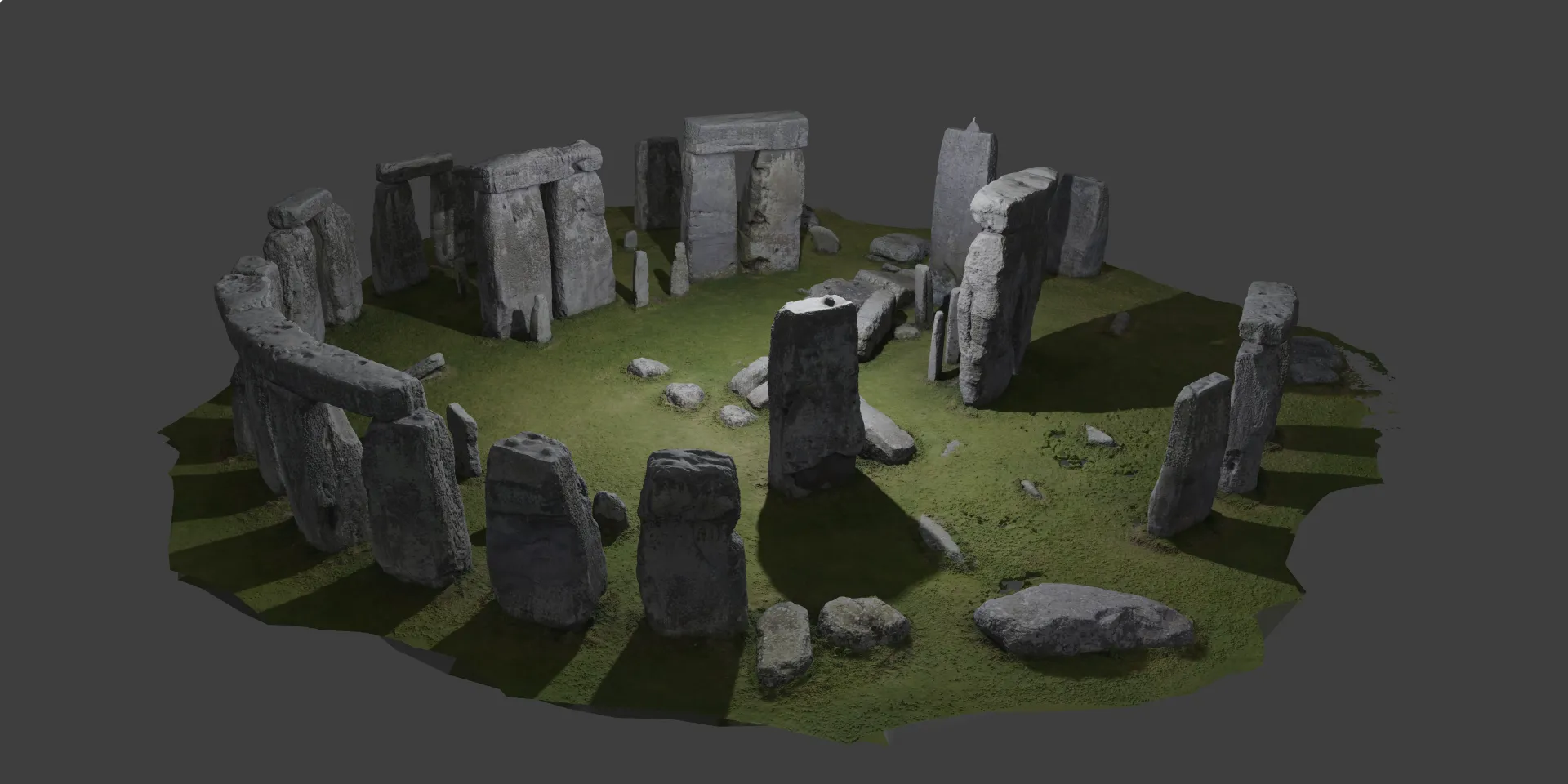
The photogrammetry data is massive - tens of thousands of images processed into a point cloud representing every detail of the site. From that, we created two versions: a high-resolution archival model for permanent record, and an optimized version for phones and web. The goal was to preserve the sense of scale and mystery while making it something you could actually explore on Instagram or in a browser.
The final high-resolution 3D replica of Stonehenge

Impact

The Stonehenge experience reached millions of people because it met them where they were. Launched as a native Instagram AR filter and accessible via WebAR on any browser, it became one of National Geographic's most-used digital experiences. That reach - millions exploring Stonehenge on their phones - demonstrates the power of making heritage accessible through the platforms people actually use.

Credits

  • Martin Edström - Director
  • Oliver Akermo - Camera & Editor
  • Carl-Fredrik Zell - 3D Artist